Learn
How To Read One Of These Labels
Five words show up on nearly every jar in this market. None of them are hard once someone points at them.
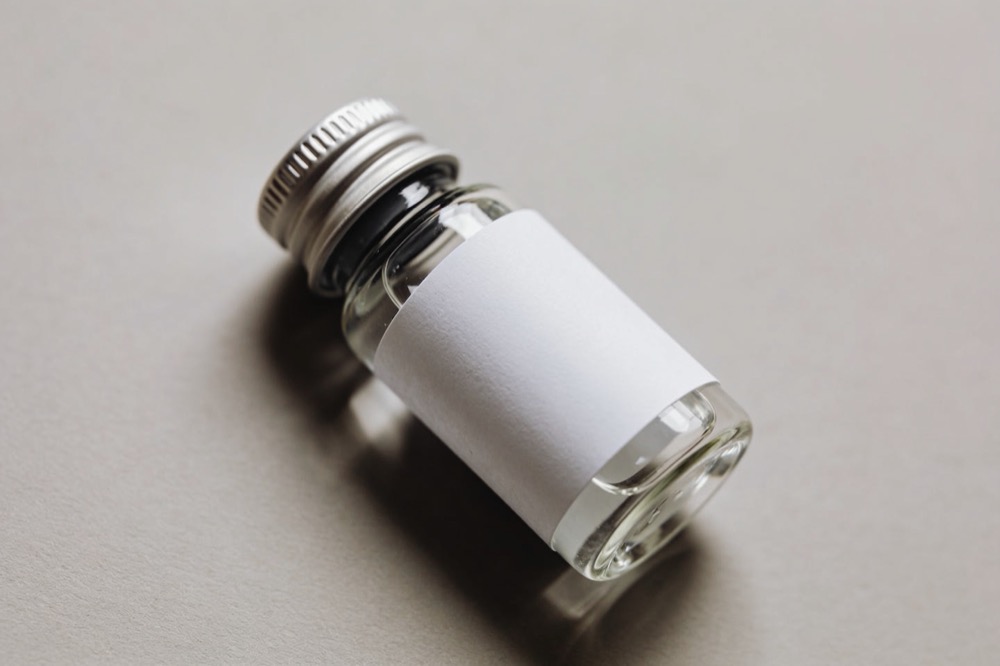
The parts of a jar
1234
- The cap. Crimped metal. It is meant to be punctured once, not unscrewed.
- The label. Where the five words below live. If it is missing any of them, that is worth noticing.
- The powder. Freeze-dried, so it looks like nothing. A few milligrams is a smear you can barely see.
- The glass. Small on purpose. These are sold in research quantities, not doses.
Photograph is illustrative. Nothing here tells you how to use anything.
The five words
- Lyophilized
- Freeze-dried. The water was removed so it keeps.
- mg
- Milligrams of the compound in the jar. Not a dose.
- Purity
- How much of the powder is the named compound. Usually a percentage.
- Vial
- The glass jar itself. Sold sealed.
- COA
- Certificate of analysis — a lab's report on what is in the jar.
- Research use only
- Not made or approved for people. On nearly every jar.
What to actually check
- Does a COA exist, and does it name this batch?
A certificate with no batch number on it cannot be matched to the jar in your hand. That is the difference between a document and a claim.
- Does the purity figure come with a method?
A number alone means little. The test used to get it is the part that makes it checkable.
- Is the research-use line actually on the label?
Its absence is more interesting than its presence.
What this page is not
This explains words on a label. It is not instructions, and none of these products are approved for people to take.
Nothing on this page says any compound does anything for anyone. None of them
is approved for people to take. Talk to a doctor about your health.